


Source: Canva / Civic Media
More Wisconsin Families are Delaying Farm Succession Planning
Experts are urging farm families to start succession planning early with a focus on communication and decision-making including the next generation

Dec 29, 2025, 3:48 PM CST


Share
Succession planning on a family farm isn’t just about who gets the land, It’s also about who gets the reins. Many Wisconsin farmers focus first on legal structures, taxes, and asset transfers. But Joy Kirkpatrick, a farm succession outreach specialist for the University of Wisconsin-Madison Division of Extension, says it’s the next steps that often delay further planning. She works with families to help navigate one of the most complex transitions a business can face.
“Families are very focused on the nuts and bolts. The LLCs, corporations, taxes,” she explains. “Those are important. But what often gets overlooked is transferring management, decision-making, and even identity.”
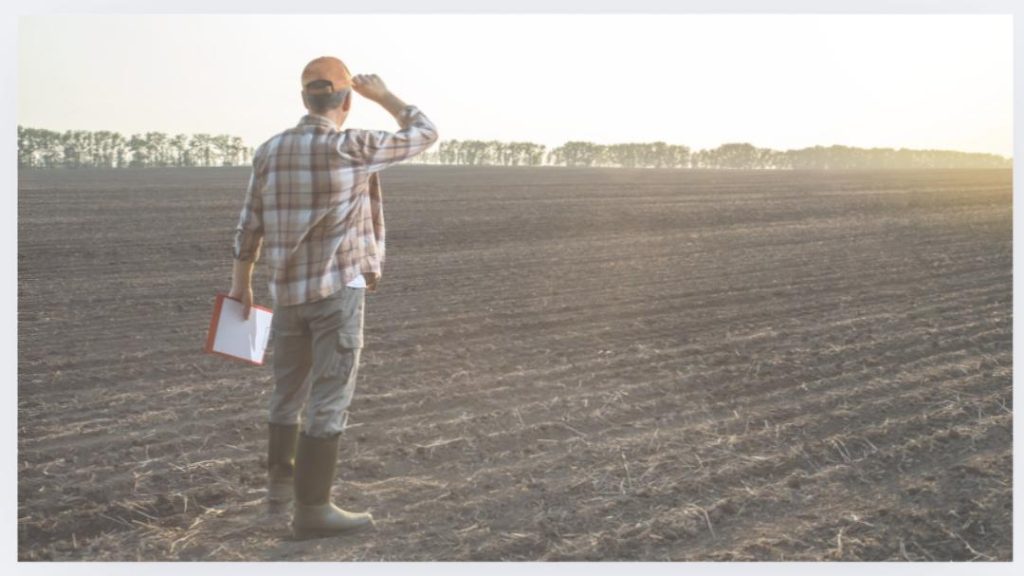
Kirkpatrick’s goal centers on helping farm families have the conversations they tend to avoid – and to do it early and productively. This includes discussions about when the owner generation will step back, how authority will shift, and how to balance what’s fair versus what’s equal when passing assets to children, especially when only one is actively farming.
“Equal doesn’t always work for a farm business,” she says. “But fairness looks different for every family, and that’s something you have to talk through openly.”
Listen to a discussion about farm succession from the WRCO Morning Show here:
[podcast src="https://civicmedia.us/shows/wrco-morning-show/2025/12/29/farm-succession-3"]A major barrier is timing. Succession planning becomes an easy thing to postpone, and it’s especially true when daily farm operations demand immediate attention. But delaying those conversations can stall progress for years.
“Farmers might go through this process once or twice in a lifetime,” Kirkpatrick shares. “It’s not like day-to-day decisions you make on autopilot.”
Kirkpatrick leads educational programs to help families get started. She also works one-on-one to organize information and prepare them to meet with attorneys, accountants, and financial planners more effectively. It saves families time and money.
One program, Shoebox to Strategy, helps farms organize financial and asset information into manageable pieces over several weeks. It turns piles of scattered paperwork into a clear, usable plan.
Another, Cultivating Your Farm’s Future, addresses common tension points like communication, finances, and estate planning. This is meant to bring multiple generations and even off-farm heirs into the same conversation.
Kirkpatrick emphasizes successful transitions require more than strong finances.
“I’ve seen farms that were financially tight but worked because families communicated well,” she says. “And I’ve seen farms that looked great on paper but struggled because people couldn’t talk openly.”
Her advice for getting started? Choose the right moment—and the right setting.
“Don’t do it during the holidays,” she jokes. “But do get started. Earlier conversations give families more options, more flexibility, and a better chance to make it work for everyone involved.”
Find more information about farm succession and educational programs available for families here.
You can also watch this video from the University of Wisconsin Extension:

Teri Barr is Civic Media’s Content Creator and a legend in Wisconsin broadcast journalism. Email her at [email protected].
Want More Local News?

Civic Media
Civic Media Inc.
The Civic Media App
Put us in your pocket.